Address
304 North Cardinal
St. Dorchester Center, MA 02124
Work Hours
Monday to Friday: 7AM - 7PM
Weekend: 10AM - 5PM
Address
304 North Cardinal
St. Dorchester Center, MA 02124
Work Hours
Monday to Friday: 7AM - 7PM
Weekend: 10AM - 5PM
Protect your investment. Our ultimate guide covers essential leather bag maintenance, from daily cleaning and conditioning to proper storage and stain removal for lasting beauty.
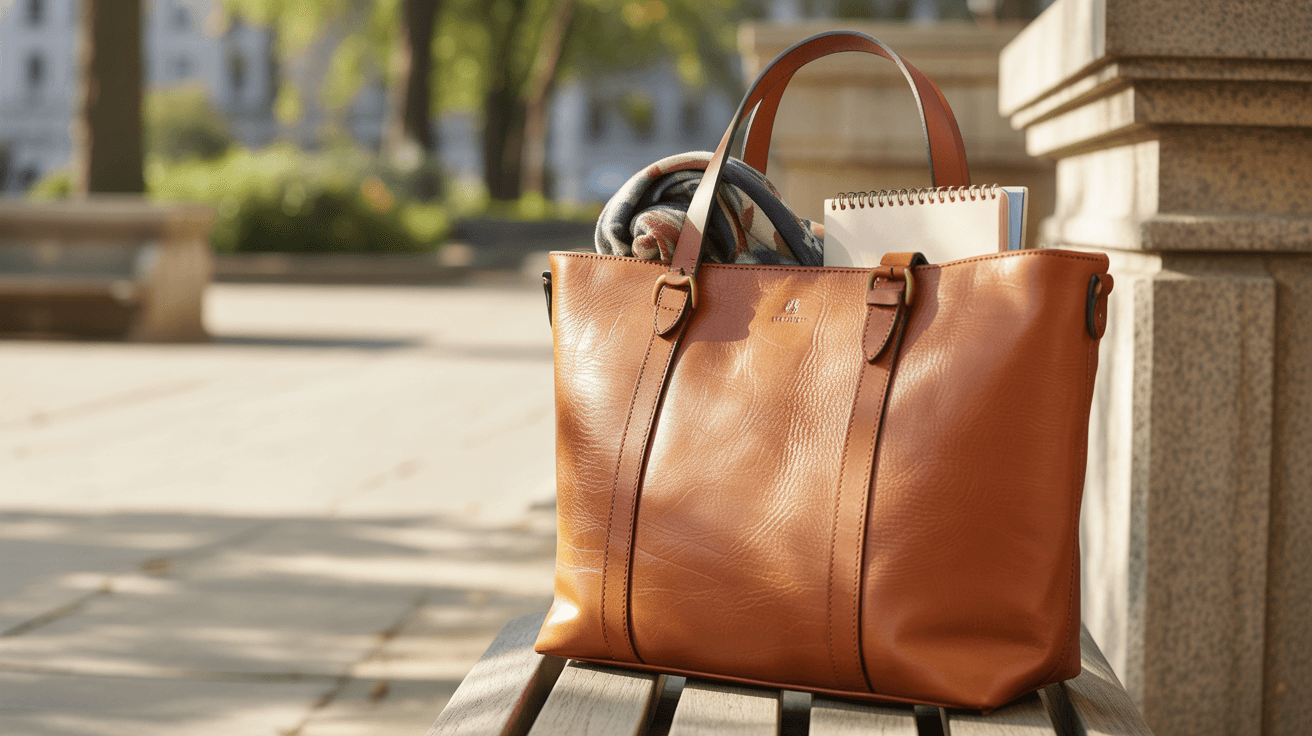
A high-quality leather bag is more than an accessory; it’s an investment that develops character over time. Proper maintenance is the key to ensuring your bag ages gracefully, maintaining its beauty, structure, and value for years to come. Unlike other materials, leather is a natural, porous hide that requires specific care to prevent drying, cracking, and staining. This guide provides clear, direct steps for the essential upkeep of your leather bags. Whether you own a sleek calfskin tote, a rugged full-grain satchel, or a delicate suchel piece, understanding the fundamentals of leather care will empower you to protect your purchase. By incorporating a few simple routines, you can combat common issues like dirt buildup, moisture damage, and color fading, allowing the leather’s natural patina to shine through.
Before any cleaning, identify your leather type. The care method for smooth, finished calfskin is vastly different from that for nubuck or suede. Full-grain and top-grain leathers have a protective coating, making them more resistant to stains and easier to wipe clean. Aniline or semi-aniline leathers are more porous and absorbent, requiring gentler, specialized products. Suede and nubuck have a velvety nap that can be easily matted; they need specific brushes and cleaners. Always check the manufacturer’s care label first. If unsure, perform a spot test on a small, inconspicuous area with any new product. Using the wrong cleaner, like a harsh soap on suede, can cause permanent damage. Knowing your material is the critical first step in effective maintenance.
Regular cleaning prevents dirt from grinding into the leather’s pores. For most finished leathers, start by emptying the bag and gently brushing off loose dirt with a soft, dry cloth. For light cleaning, use a slightly damp microfiber cloth—never soak the leather. Wipe surfaces in gentle, circular motions. For tougher grime, use a pH-balanced leather cleaner. Apply a small amount to a cloth, not directly onto the bag, and work on one section at a time. Immediately wipe off any excess cleaner with a separate damp cloth and let the bag air-dry completely away from direct heat or sunlight. Never use household cleaners, wipes containing alcohol, or abrasive materials, as they strip natural oils.
Leather loses its natural oils over time, leading to dryness and cracks. Conditioning replenishes these oils, keeping the material supple. After cleaning and ensuring the bag is fully dry, apply a small amount of leather conditioner (like those containing lanolin or beeswax) to a soft cloth. Rub it in using gentle, circular motions over the entire surface, focusing on dry spots or areas of high flex, like handles. Allow the conditioner to absorb fully, often for several hours or overnight. Buff off any residual product with a clean, dry cloth. Frequency depends on climate and use; bags in dry climates may need conditioning every 3-6 months, while those in humid areas may require it less often.
How you store your bag when not in use is crucial for its shape and health. Always store in a cool, dry place away from direct sunlight, which can fade color and dry out leather. Stuff the bag with acid-free tissue paper or a clean cotton pillowcase to help it retain its shape; avoid newspaper, as the ink can transfer. Do not keep it in plastic, as this traps moisture and promotes mold. Instead, use a breathable fabric dust bag. Hang bags by their straps only if they are sturdy and the bag is lightweight; for heavier bags, lay them flat on a shelf to prevent strap stress. Ensure the storage area has moderate humidity to prevent drying.
Act quickly when accidents happen. For liquid spills, immediately blot—do not rub—the area with a clean, absorbent cloth to draw out moisture. Allow it to air-dry naturally. For oil-based stains, sprinkle the area with cornstarch or talcum powder to absorb the grease, leave it for several hours, then brush it off. For more stubborn stains on finished leather, a specialized leather stain remover may be necessary, following product instructions precisely. For water stains on suede, once dry, use a suede brush or eraser to gently restore the nap. Remember, some stains may become part of the leather’s patina. When in doubt, consult a professional leather cleaner to avoid setting the stain permanently.
Proactive protection saves effort later. Apply a high-quality leather protector or waterproofing spray suitable for your leather type. Test on a hidden area first. Hold the spray 6-8 inches away and apply a light, even coat in a well-ventilated area. Let it dry completely before use. This creates an invisible barrier against water and oil-based stains. Wipe off rain or snow immediately with a dry cloth. In winter, be mindful of salt stains; wipe the bag down with a damp cloth if it comes into contact with salt and condition it afterward. Avoid placing leather bags directly on wet or dirty surfaces to minimize exposure.
Maintaining your leather bags is a straightforward but essential practice that pays significant dividends. By identifying your leather type, establishing a routine of gentle cleaning and conditioning, storing correctly, and acting swiftly on spills, you directly contribute to the longevity and beauty of your accessory. Consistent care prevents irreversible damage, allowing the leather to develop a rich, unique patina that tells the story of its use. Treat your bag not as a disposable item but as a lasting companion. With the foundational steps outlined in this guide, you can confidently preserve the quality and elegance of your leather investment for many years to come.