Address
304 North Cardinal
St. Dorchester Center, MA 02124
Work Hours
Monday to Friday: 7AM - 7PM
Weekend: 10AM - 5PM
Address
304 North Cardinal
St. Dorchester Center, MA 02124
Work Hours
Monday to Friday: 7AM - 7PM
Weekend: 10AM - 5PM
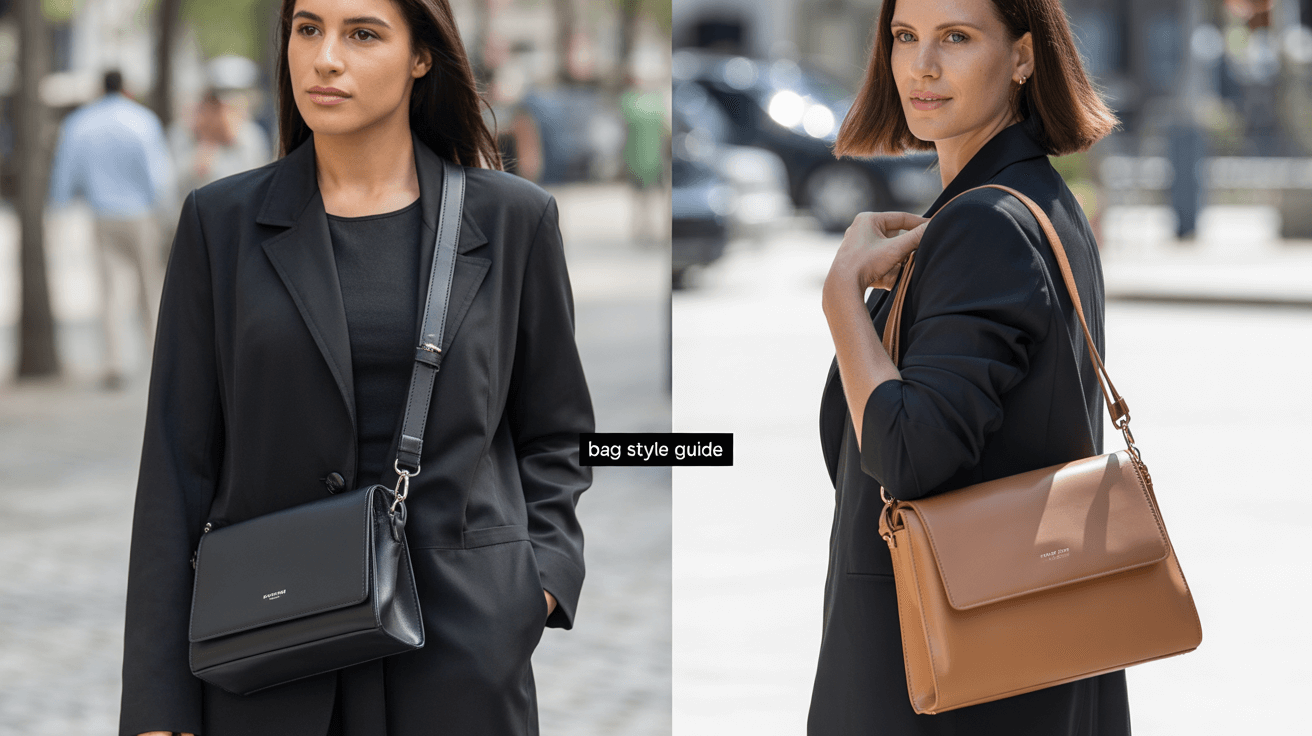
Choosing the perfect everyday handbag is more than a fashion decision; it’s a practical investment in your daily routine. The right bag seamlessly integrates into your life, carrying your essentials comfortably while complementing your personal style. An ill-fitting choice, however, can lead to frustration, shoulder strain, and disorganization. This guide breaks down the key considerations to help you move beyond fleeting trends and select a bag that truly works for you. We’ll focus on function, durability, and versatility—the pillars of a handbag you’ll reach for day after day. By evaluating your specific needs, from commute to lifestyle, you can find a companion that simplifies your day, keeps you organized, and looks effortlessly put-together. Let’s find the bag that fits your life.
Begin by auditing what you actually carry every day. Empty your current bag and categorize the items: phone, wallet, keys, tech (tablet, e-reader, charger), cosmetics, a water bottle, or a small notebook. This concrete list dictates the necessary size and internal layout. If you carry a laptop or tablet, a tote or satchel with a padded sleeve is non-negotiable. If you prefer a minimalist approach, a crossbody or small top-handle bag may suffice. Consider weight distribution; a bag that forces you to overstuff it will be uncomfortable and wear quickly. Conversely, a bag that’s too large encourages clutter and can become a heavy black hole. Your essentials are the blueprint.
An everyday bag must feel good to carry. Evaluate strap options carefully. Wider, padded straps distribute weight more evenly than thin chains, which can dig into your shoulder. Adjustable straps offer flexibility for different carrying styles—over the shoulder or crossbody. Test how the bag sits against your body; it shouldn’t swing awkwardly or bump against your hip. Function extends to accessibility. Look for features like exterior pockets for quick-grab items like your phone or transit pass, a secure yet easy-to-use closure (zipper, magnetic snap), and a lightweight construction. Comfort is paramount for a bag you’ll use for hours on end.
The material determines your bag’s longevity and maintenance. For daily wear, prioritize durability.
The hardware (zippers, clasps) should feel substantial, not flimsy. Check stitching at stress points. A well-made bag in a suitable material will withstand daily use for years.
Internal organization saves time and reduces frustration. A single large compartment often leads to a jumbled mess. Ideal layouts include:
For those who carry tech, padded sleeves protect screens. If a bag lacks built-in organization, consider using pouches or inserts to create a customizable system. Good organization streamlines your day.
Your everyday bag should complement the majority of your wardrobe. Opt for a versatile shape—a tote, satchel, crossbody, or backpack in a classic silhouette that transcends micro-trends.
Choose a color that aligns with your wardrobe’s base palette. A versatile bag feels appropriate for running errands, going to the office, or meeting friends.
Your daily movements dictate the ideal bag style. Analyze your routine:
Match the bag’s functionality to your most common daily scenario.
The perfect everyday handbag is a harmonious balance of personal need and practical design. It emerges not from the trend cycle, but from a clear-eyed assessment of what you carry, how you move, and what you wear. By prioritizing comfort, durable materials, smart organization, and versatile style, you invest in a piece that serves you daily. Remember, the goal is to find a bag that feels like a natural extension of your routine—one you grab without a second thought because it works so seamlessly. Take your time, consider these points, and choose a companion that supports your day, every day.